The world of gaming is changing rapidly, and the trend is clear: gamers want freedom. Freedom to play wherever they are, on whatever device they choose, without barriers or limitations. This is where cross-platform gaming comes in—and it's not just a nice-to-have feature anymore.
Cross-platform gaming is reshaping the industry, breaking down walls that have existed for decades, and creating a more connected, inclusive gaming ecosystem. It's becoming the standard, and for good reason.
Breaking Down the Walls
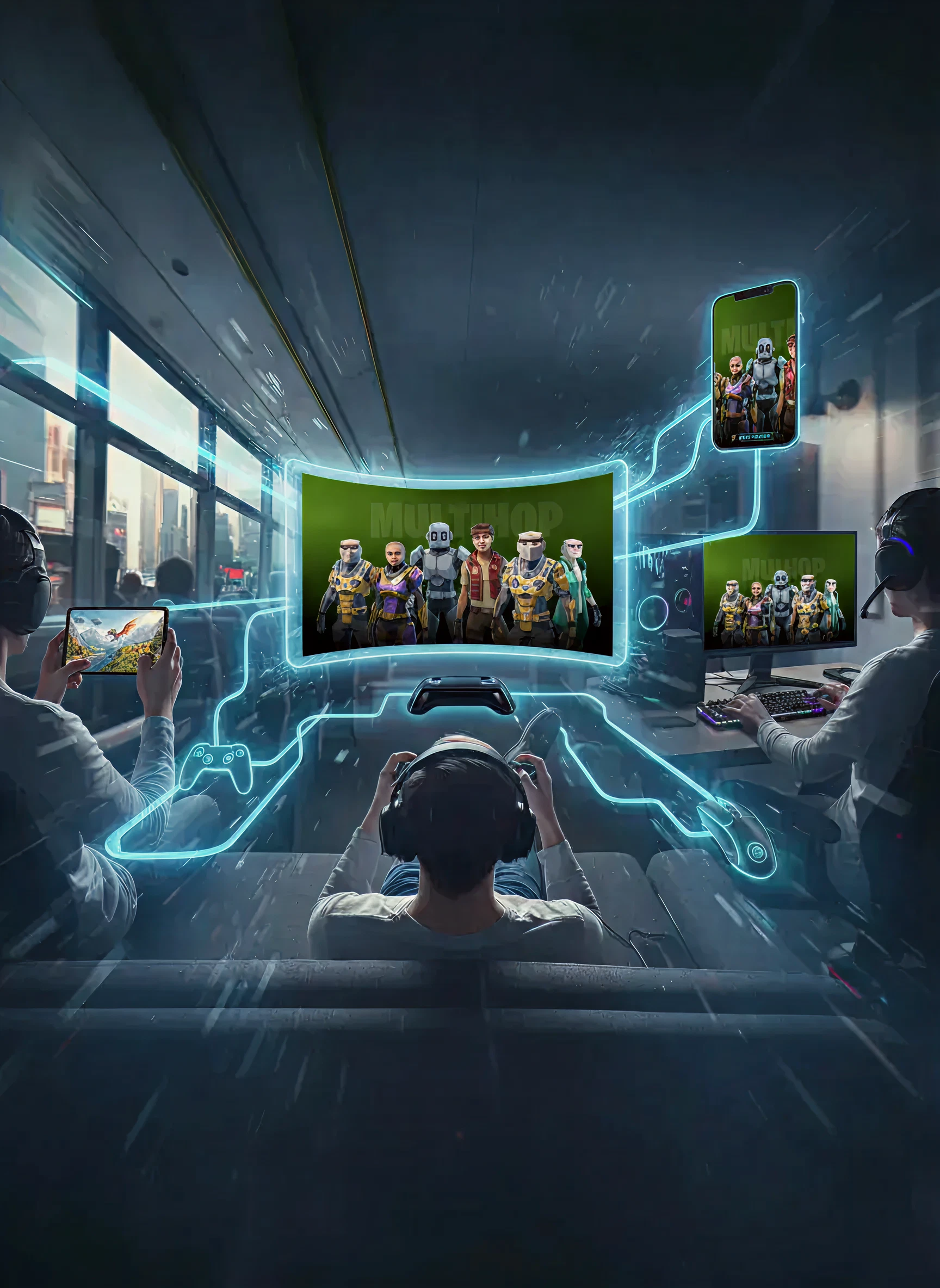
Gone are the days when console wars dictated who you could play with. Cross-platform gaming tears down those walls, allowing players on PC, console, and mobile to connect and compete in the same virtual spaces.
Whether you're on a high-end gaming rig or commuting with your phone, you're part of the same community. This shift is driven by what gamers have been asking for all along: accessibility and inclusivity. Why should your choice of hardware limit who you can play with?
Your friends list shouldn't be restricted by what device you own. Gaming is about connection, not division.
Cross-platform gaming ensures that everyone can play together, regardless of their platform. It's about bringing people together, not keeping them apart.
The Business Case for Cross-Platform
For game developers, cross-platform support isn't just about player satisfaction—it's about sustainability and growth. Larger player pools mean longer game lifespans, healthier matchmaking, and more robust online communities.
Games like Fortnite, Rocket League, and Call of Duty: Warzone have proven that cross-platform play can drive engagement and revenue. When players can connect with friends regardless of platform, they're more likely to stick around and invest in the game.

Technical Challenges and Solutions
Of course, implementing cross-platform gaming isn't without its challenges. Developers must navigate several complex considerations:
Input methods vary drastically—keyboard and mouse versus controller—which can create competitive imbalances. Performance differences between platforms can affect gameplay quality. Platform-specific features and policies add another layer of complexity.
But here's the good news: with modern game engines and cloud technologies, these hurdles are becoming easier to overcome. Unity, Unreal Engine, and other development tools now offer built-in cross-platform support, making it simpler than ever to create unified experiences.
How We Embrace Cross-Platform at Clutched Studio
At Clutched Studio, we believe in building games that anyone can enjoy, regardless of their device. Our approach to cross-platform gaming is simple:
Design for the smallest screen, optimize for the largest, and ensure everyone can play together seamlessly.
We start by designing gameplay that works on mobile devices, then scale up for larger screens and more powerful hardware. This ensures that the core experience is accessible to everyone, while still taking advantage of premium hardware when available.
Our games are built with cloud saves and cross-progression in mind. Start playing on your phone during your commute, then pick up right where you left off on your PC when you get home. Your progress, achievements, and in-game items travel with you.
The Future is Universal
As we move forward, cross-platform gaming will continue to be a defining feature of the industry. It represents a future where games are truly universal experiences, accessible to anyone, anywhere, on any device.
The barriers are falling. The communities are growing. And gaming is becoming more inclusive than ever before. That's a future worth playing for.